

Turning 65?
Here’s What You Need to Know About Medicare
We provide clear, personalized guidance to help you make informed decisions about your Medicare coverage
What is Medicare?
Medicare is a federal health insurance program primarily for individuals age 65 and older.
Understanding how it works—and choosing the right coverage—can feel complex. This brief overview will help you get started.
The Parts of Medicare
Original Medicare (Parts A & B)
- Part A covers inpatient hospital care, skilled nursing, and certain home health services.
- Part B covers doctor visits, outpatient care, and preventive services.
Medicare Advantage (Part C)
- An alternative to Original Medicare offered by private insurance companies.
- Often includes additional benefits such as dental, vision, and prescription coverage.
Prescription Drug Coverage (Part D)
- Helps cover the cost of medications.
- Available as a standalone plan or included in certain Medicare Advantage plans.
Medicare Supplement Plans (Medigap)
- Helps cover out-of-pocket costs not paid by Original Medicare, such as deductibles and coinsurance.
- Offers greater predictability in healthcare expenses.
Choosing the Right Coverage for Your Needs
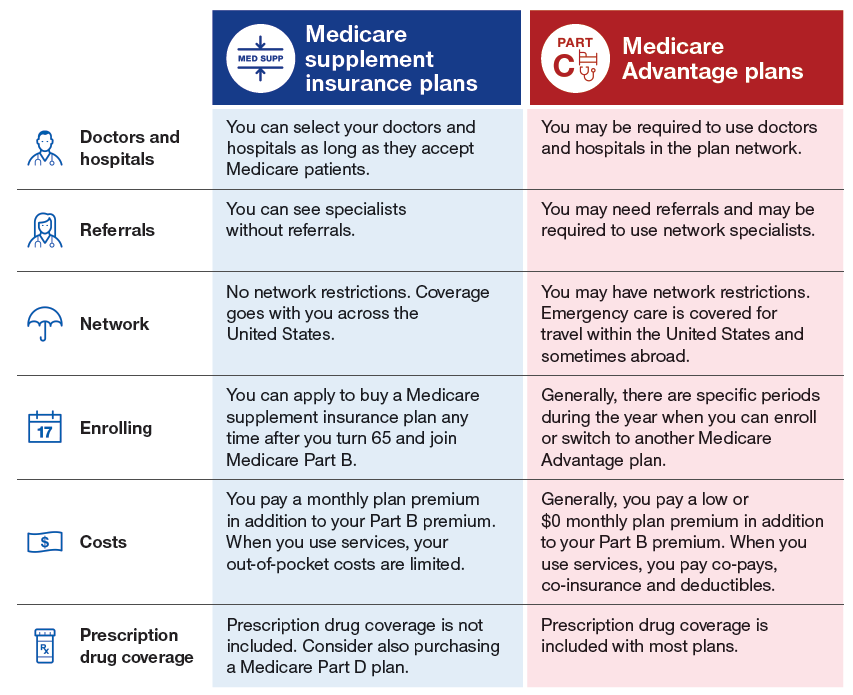
Medicare Supplement plans are designed for individuals who prefer the flexibility of Original Medicare while reducing out-of-pocket expenses. These plans can provide peace of mind by limiting unexpected healthcare costs and allowing access to a broad network of providers nationwide.
A personalized review can help determine whether a supplement plan aligns with your healthcare needs and financial goals.
Frequently Asked Questions
Medicare Questions, Answered
What is Medicare and how does it work?
Medicare is a federal health insurance program primarily for people age 65 and older, as well as certain younger people who qualify due to a disability or specific medical condition. Medicare includes different parts that help cover hospital care, medical services, prescription drugs, and other healthcare needs.
There are two main ways to receive Medicare coverage: Original Medicare, which includes Part A and Part B, or Medicare Advantage, also known as Part C. Depending on the coverage you choose, you may also consider Medicare Part D for prescription drugs or Medicare Supplement Insurance, commonly called Medigap.
Marshall Insurance Medicare Solutions helps individuals understand their Medicare coverage options and make informed decisions based on their healthcare needs, doctors, prescriptions, location, and other important factors.
Who is eligible for Medicare?
Medicare is generally available to people age 65 and older who meet Medicare eligibility requirements. Some people under age 65 may also qualify because of certain disabilities or medical conditions.
Your specific enrollment situation can depend on factors such as your age, work history, current health coverage, disability status, and whether you are receiving certain Social Security or Railroad Retirement Board benefits.
If you are approaching age 65 or are unsure when you qualify for Medicare, a licensed Medicare agent can help you understand the questions you should consider as you prepare for enrollment.
What are the different parts of Medicare?
Medicare is divided into several parts that cover different types of healthcare services.
Medicare Part A is hospital insurance and helps cover inpatient hospital care, skilled nursing facility care, hospice care, and certain home health services.
Medicare Part B is medical insurance and helps cover services from doctors and other healthcare providers, outpatient care, durable medical equipment, home health care, and many preventive services.
Medicare Part C, commonly called Medicare Advantage, is an alternative way to receive Medicare benefits through a Medicare-approved private insurance company.
Medicare Part D provides prescription drug coverage.
Understanding how these parts work together is an important first step when comparing Medicare coverage options.
What is the difference between Medicare Parts A, B, C, and D?
Each part of Medicare serves a different purpose.
Part A primarily helps cover inpatient hospital and related facility care. Part B helps cover physician services, outpatient care, preventive services, and other medically necessary services and equipment. Together, Parts A and B make up Original Medicare.
Part C is Medicare Advantage. Medicare Advantage plans are offered by Medicare-approved private insurance companies and provide an alternative way to receive Part A and Part B benefits. Most Medicare Advantage plans also include Part D prescription drug coverage.
Part D helps cover prescription medications and can be obtained through a standalone Medicare drug plan when using Original Medicare or through many Medicare Advantage plans.
What is Original Medicare?
Original Medicare is the traditional Medicare program administered by the federal government and consists of Medicare Part A and Medicare Part B.
With Original Medicare, you can generally use any doctor or hospital in the United States that accepts Medicare. Original Medicare covers many healthcare services, but it does not cover every healthcare expense.
People with Original Medicare may choose to add a standalone Medicare Part D plan for prescription drug coverage. They may also consider Medicare Supplement Insurance, or Medigap, to help with certain out-of-pocket costs associated with Original Medicare.
What does Medicare Part A cover?
Medicare Part A is commonly referred to as hospital insurance. In general, Part A helps cover inpatient hospital care, care in a skilled nursing facility under qualifying circumstances, hospice care, and certain home health services.
The specific amount Medicare pays and what you may owe can depend on the service, benefit period, eligibility requirements, and other factors.
Understanding Part A is especially important for people who are turning 65 or enrolling in Medicare for the first time because it forms one of the two primary components of Original Medicare.
What does Medicare Part B cover?
Medicare Part B is medical insurance. It helps cover medically necessary services and many preventive services.
Coverage can include services from doctors and other healthcare providers, outpatient care, durable medical equipment, certain home health services, ambulance services, screenings, vaccines, and other covered medical services.
Part B works together with Part A to form Original Medicare. If you choose Medicare Advantage instead, you must generally have both Part A and Part B to join a Medicare Advantage plan.
What is Medicare Advantage?
Medicare Advantage, also known as Medicare Part C, is an alternative way to receive your Medicare benefits through a Medicare-approved private insurance company.
Medicare Advantage plans provide Part A and Part B benefits and most plans also include Medicare Part D prescription drug coverage. Some plans may offer additional benefits that Original Medicare does not cover, such as certain dental, vision, or hearing benefits.
Plans can differ by service area, provider network, prescription coverage, costs, and benefits. Because available Medicare Advantage plans can vary by location, it is important to compare the options available where you live.